New Escort Girl Strasbourg: What You Need to Know Today
 Dec, 7 2025
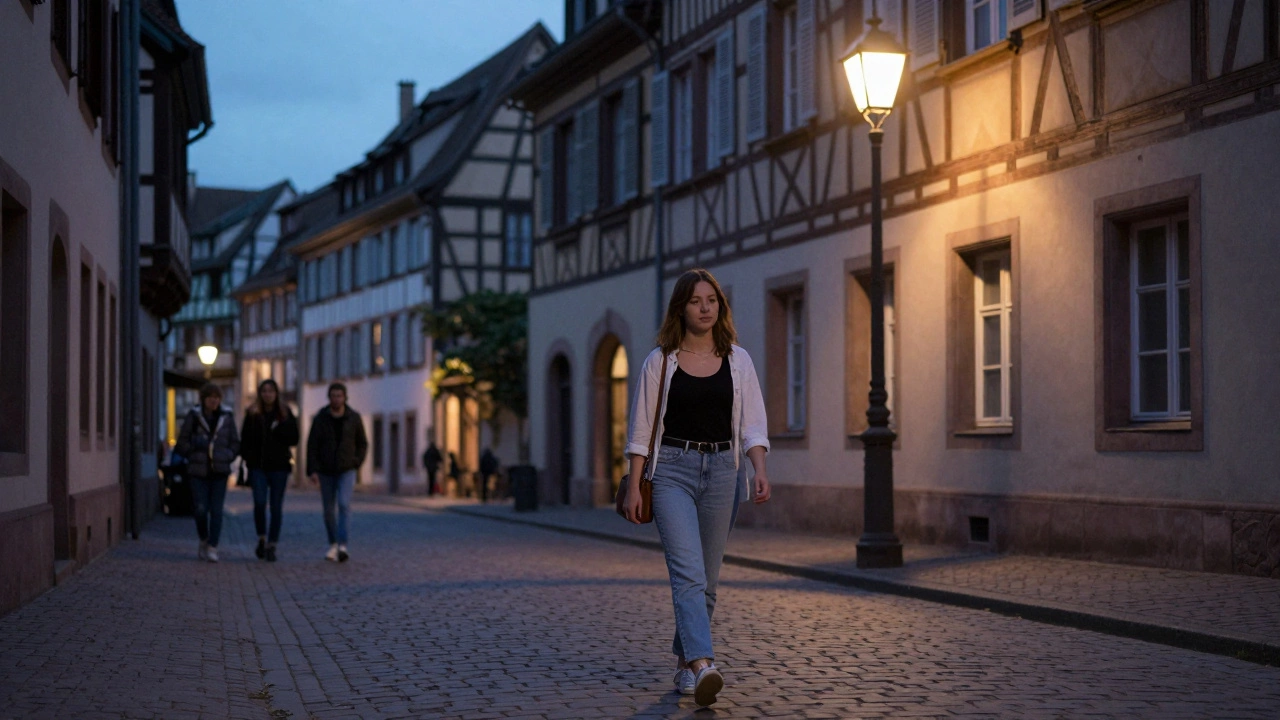
Strasbourg isn’t just about Christmas markets and half-timbered houses. In recent months, a new kind of presence has quietly emerged in certain parts of the city - young women offering companionship services, often advertised through private networks or discreet online platforms. These aren’t street walkers or open solicitors. They’re typically local students, travelers, or women seeking flexible income, and they operate with a level of discretion that makes them hard to track unless you know where to look. The term escort girl is used loosely here, but what’s real is the demand, the logistics, and the risks involved.
If you’re curious about how these services function in Europe, you might have come across escorté paris - a site that documents similar arrangements in France’s capital. It’s not a directory, but it does offer insight into how these networks operate across borders, including safety tips, pricing norms, and how local laws shape behavior. Strasbourg, being close to Germany and Switzerland, sees a mix of influences, and that shows in how services are structured here.
Where Do These Arrangements Happen?
You won’t find these women in broad daylight on Place Kléber. Most meetings happen in private apartments, short-term rentals, or hotel rooms booked under false names. There are no official escort parks in Strasbourg, but informal clusters exist near train stations like Gare de Strasbourg or in quieter neighborhoods like Neustadt, where tourists blend in easily. Some use dating apps disguised as friendship platforms. Others rely on word-of-mouth referrals through expat groups or university networks.
What’s changed since 2023 is the shift away from public advertising. Instagram and Facebook profiles used to be common. Now, most use encrypted messaging apps like Signal or Telegram. Photos are shared only after initial contact, and identities are protected. This isn’t just about privacy - it’s about avoiding police attention. France and Germany have strict laws against organized prostitution, and Strasbourg sits right on the border where enforcement can vary.
How Much Does It Cost?
Prices in Strasbourg range from €80 to €200 per hour, depending on experience, appearance, and the type of service requested. Most clients are business travelers from nearby cities like Basel or Luxembourg. Others are students from the university who can’t afford more expensive options. There’s little variation in pricing based on nationality, but language skills matter. Women who speak fluent English, German, or Dutch often charge more because they can serve a wider client base.
Payment is almost always cash or digital transfer via apps like Revolut or Wise. Credit cards are avoided. No one wants a paper trail. Some women offer package deals - 3 hours for €200, or overnight stays for €400. These are negotiated privately. There are no fixed menus or service lists. Everything is tailored to the client’s request, within legal limits.
What Are the Risks?
The biggest danger isn’t the police - it’s the people who pretend to be clients. There have been reports of theft, blackmail, and even assault in the past year. Women who work alone are at higher risk. Some use safety apps that send automatic alerts if they don’t check in after an hour. Others share their location with a friend before each meeting. A few have started working in pairs, though that’s rare.
Legal consequences are also a concern. While prostitution itself isn’t illegal in France, soliciting in public, operating a brothel, or advertising services is. A woman caught advertising online could face fines up to €1,500. Clients aren’t usually prosecuted unless there’s evidence of coercion or underage involvement. But police do conduct random checks in areas known for these activities, especially near hotels and train stations.
Why Strasbourg?
Strasbourg is unique. It’s a European capital in every sense - home to the European Parliament, a major international airport, and a steady stream of diplomats, journalists, and NGO workers. The city has a high concentration of single men working short-term assignments. There’s also a large student population, many of whom are from wealthier countries and have disposable income. Combine that with the city’s reputation for being liberal and tolerant, and you get a quiet but steady market.
Unlike Paris or Lyon, Strasbourg doesn’t have a visible red-light district. That makes it harder for outsiders to find services, but also safer for those offering them. There’s no organized crime controlling the scene. Most women work independently. That means less exploitation, but also less support. If something goes wrong, there’s no manager to call. No security team. Just the woman and her phone.
How Do People Find Them?
Most clients find these women through niche forums, private Telegram channels, or expat Facebook groups. Some use dating apps like Tinder or Bumble, but only after building trust over several messages. A few websites still exist, but they’re constantly taken down. One that popped up in late 2024 used the domain escortparks[.]com - it was shut down within two weeks. The operators moved to a new server and changed the name. It’s a cat-and-mouse game.
There’s also a small group of women who advertise on Reddit threads related to Strasbourg travel or expat life. They don’t say outright what they offer. Instead, they say things like, “Looking for someone to show me around the city” or “Need a friend for dinner and a movie.” The meaning is implied, not stated. It’s a way to stay under the radar.

Is This Legal?
France’s law on prostitution changed in 2016. Buying sex is illegal. Selling it isn’t. That means clients can be fined up to €1,500, but the women themselves are not punished - at least not by law. In practice, police focus on public solicitation and trafficking. If a woman is working alone, in a private space, and not advertising openly, she’s unlikely to be targeted. But that doesn’t mean she’s safe. The law protects her from prosecution, but not from violence or scams.
Some women have turned to NGOs for help. There’s a small group in Strasbourg run by former sex workers that offers legal advice, health checkups, and emergency housing. They don’t ask for ID. They don’t report names. They just help. But most women don’t know they exist.
What About Other Cities?
Strasbourg isn’t alone. Similar patterns exist in Luxembourg, Bern, and even smaller cities like Reims or Nancy. But Strasbourg stands out because of its geography. It’s a transit hub. People come, stay a few days, and leave. That creates a transient demand. You won’t find long-term clients here. It’s all short-term, high-turnover.
Some women who work in Strasbourg also travel to nearby cities on weekends. One woman I spoke with (anonymously) said she does Strasbourg on Mondays and Tuesdays, then heads to ecort paris on Thursdays. She uses trains and buses to move between cities, staying in hostels or budget hotels. It’s exhausting, but profitable. She says she makes more in a week than she did in a month working as a waitress.
There are also women who advertise on sites like escort parks - not because they’re based there, but because those sites have international traffic. They use them as a way to reach travelers passing through Europe. It’s not a local service. It’s a regional one.
Final Thoughts
If you’re thinking of seeking out these services in Strasbourg, understand this: you’re not just paying for companionship. You’re entering a world with hidden rules, real dangers, and little legal protection. Most women aren’t criminals. They’re just trying to survive. And most clients aren’t predators. They’re lonely, curious, or just looking for connection.
The system isn’t broken because of the women. It’s broken because society refuses to acknowledge the need behind the demand. Until then, these arrangements will keep happening - quietly, carefully, and always one step ahead of the law.